
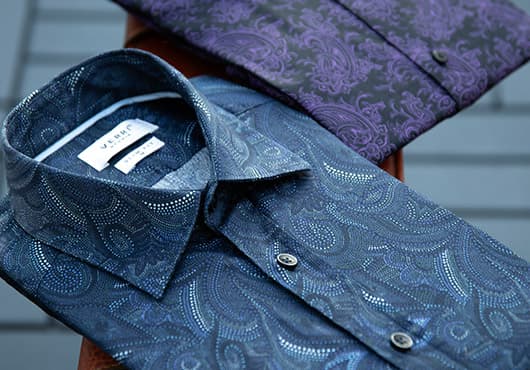
From main pattern to body series; Establish a consistent size standard for men's and women's shirts, from measurement method to manufacturing tolerance.
A pattern is more than a size chart
Two shirts with the same chest size; It may look different due to shoulder slope, armhole, back balance and skirt shape. The pattern target defines silhouette and ease of movement as well as body values.
Approach in male and female pattern
A women's shirt is not a reduced version of a men's shirt. The target customer's body proportions, chest-waist balance, shoulder structure and product length should be evaluated independently.
- Main body and target user
- Shoulder, chest, waist and hip balance
- Arm movement and cuff circumference
- Product length and skirt shape
Grading and tolerance
Switching between sizes does not mean adding the same amount to each size. Critical measures progress at different rates. Tolerance is not a freedom that changes the target measurement, but an acceptance range within the defined measurement method.
Verify size standard
Erten Tekstil develops patterns, samples and measurement standards together in the production of private label men's and women's shirts. You can submit your target size chart, reference product and the pattern fit you expect from the form.
See the same in the table before deciding.
Target user and product stance
Point and method definition
Proportions between sizes
Dimension specific tolerance
How do we approach this issue at Erten?
Pattern feedback is recorded via zone, movement and target size rather than 'tight' or 'loose'.
Content review area: Erten Tekstil product development, production and quality approach. Commercial suitability is also evaluated based on product and order information.Frequently asked questions about this topic
Can size sorting be done automatically?
Tools available; however, rates need to be validated on the target user and product.
Are all dimensions given the same tolerance?
No. Usage, measurement method, fabric and production behavior are taken into account.
Let's evaluate your production needs together.
Sharing your product category, approximate quantity and target date is enough to get started.
It is not necessary to have all the details ready at the initial consultation.