
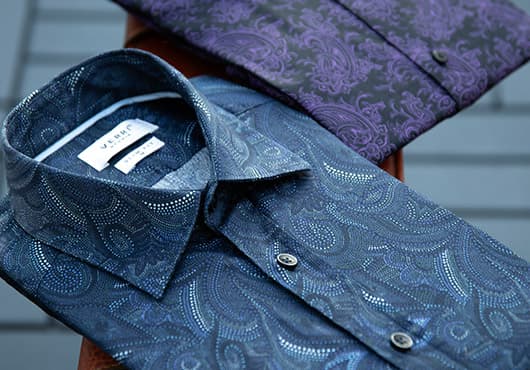
I have a shirt that I like; Does it replace the size chart?
The reference product is very helpful. However, we must write down which measurements will change between sizes and the acceptance range. Thus, a single beautiful specimen can maintain the same posture in all bodies.
Review the design and sample processPattern reflects target customer and usage
Two shirts with the same chest size may feel different due to different shoulder balance, torso comfort or sleeve structure. For this reason, the pattern decision should be defined not only by the body name, but also by the targeted posture and movement comfort.
Clearly define key measurement points
In the measurement table, it should be clear where and by what method each value will be taken. Differences in measurement method can lead to different interpretations of the same figure.
- collar circumference
- Chest and waist width
- Shoulder and sleeve length
- Product size
- Cuff and cuff
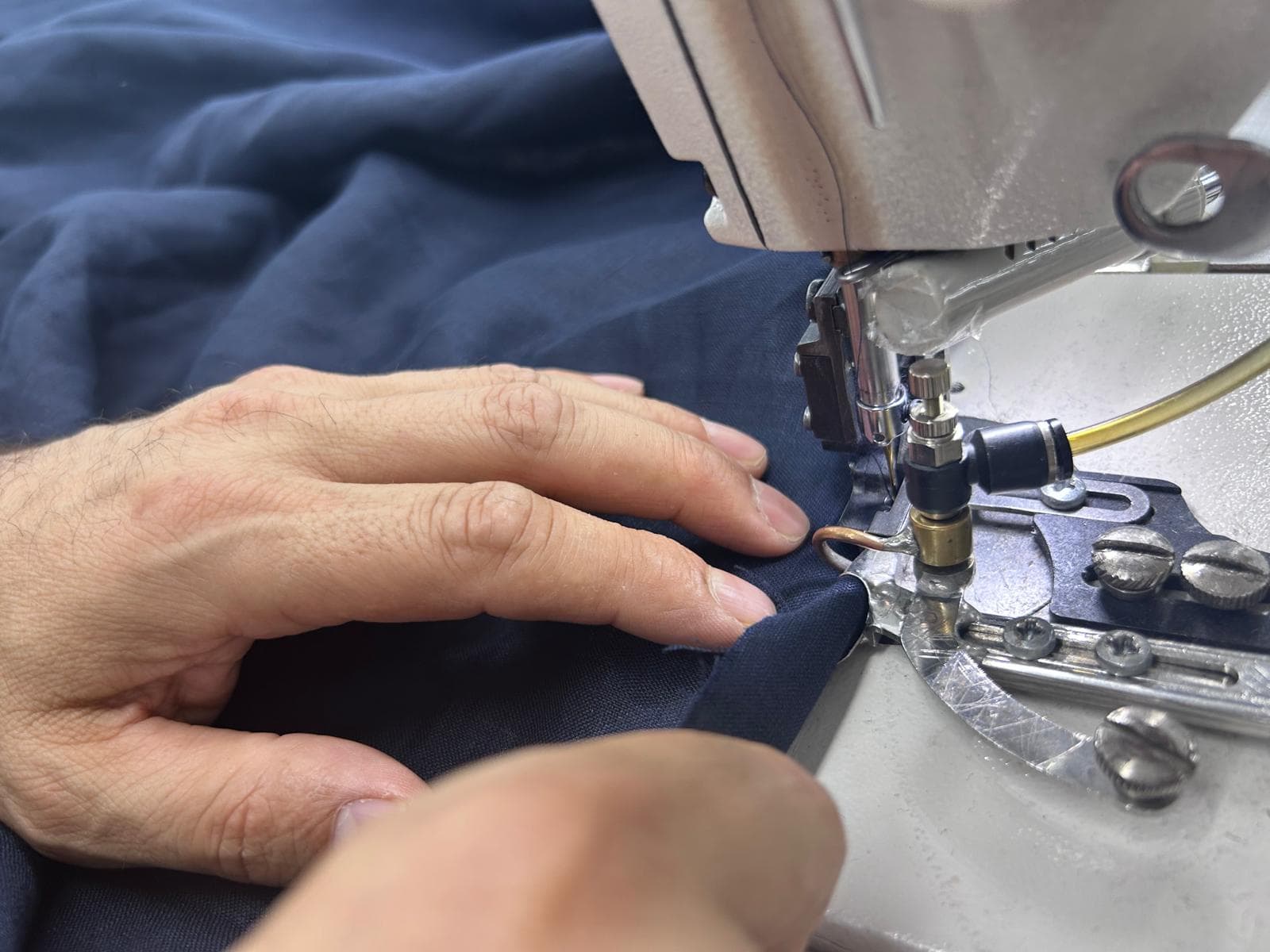
Verify size series with sample
After the pattern on the main body is approved, the transition values to other sizes are evaluated. Size enlargement and reduction is not just adding the same difference to each measurement; Product proportions must be maintained.
Convert tolerance into acceptance criterion
In order to perform measurement control in production, the acceptance approach must be defined along with the target values. Critical dimensions should be prioritized according to the use of the product and evaluated together with the approved sample.
Turn pattern interpretation into measurable feedback
General expressions such as 'tight' or 'loose' alone are not sufficient. Feedback; It should explain what needs to change according to which region, which usage movement and the targeted product character.
- Shoulder and chest balance
- Waist and skirt comfort
- arm movement
- Collar and cuff use
Do not consider fabric behavior separately from the pattern
Fabrics of different weight, elasticity or finish can make the same pattern look different. Pattern approval should be evaluated together with the fabric direction to be used in production and the washing effect, if any.
Preparation for the production meeting
Need a tech pack?
Have a product idea? Record the style, fabric, colors and estimated quantity. You can finalize unknown measurements during sampling.See the same in the table before deciding.
Target size, use and movement expectation
Stance, comfort and product proportions
Point definitions, values and acceptance approach
Main body and logic of transition between bodies
How do we approach this issue at Erten?
pattern and measurement information progresses by seeing the targeted product posture in the sample and recording it with applicable feedback.
Content review area: pattern, size and sample development approach. Commercial suitability is also evaluated based on product and order information.Frequently asked questions about this topic
Can a pattern be developed from a reference shirt?
Reference product can provide starting; However, the target size, usage, fabric and points to be changed should be defined separately.
Can samples be prepared without a size chart?
The project may start with a reference product or basic measurements; For mass production standards, measurements must be made clear and recorded.
Let's talk about your product.
Describe your reference product or dimensions; Let's evaluate what information needs to be turned into a table.
It is not necessary to have all the details ready at the initial consultation.