
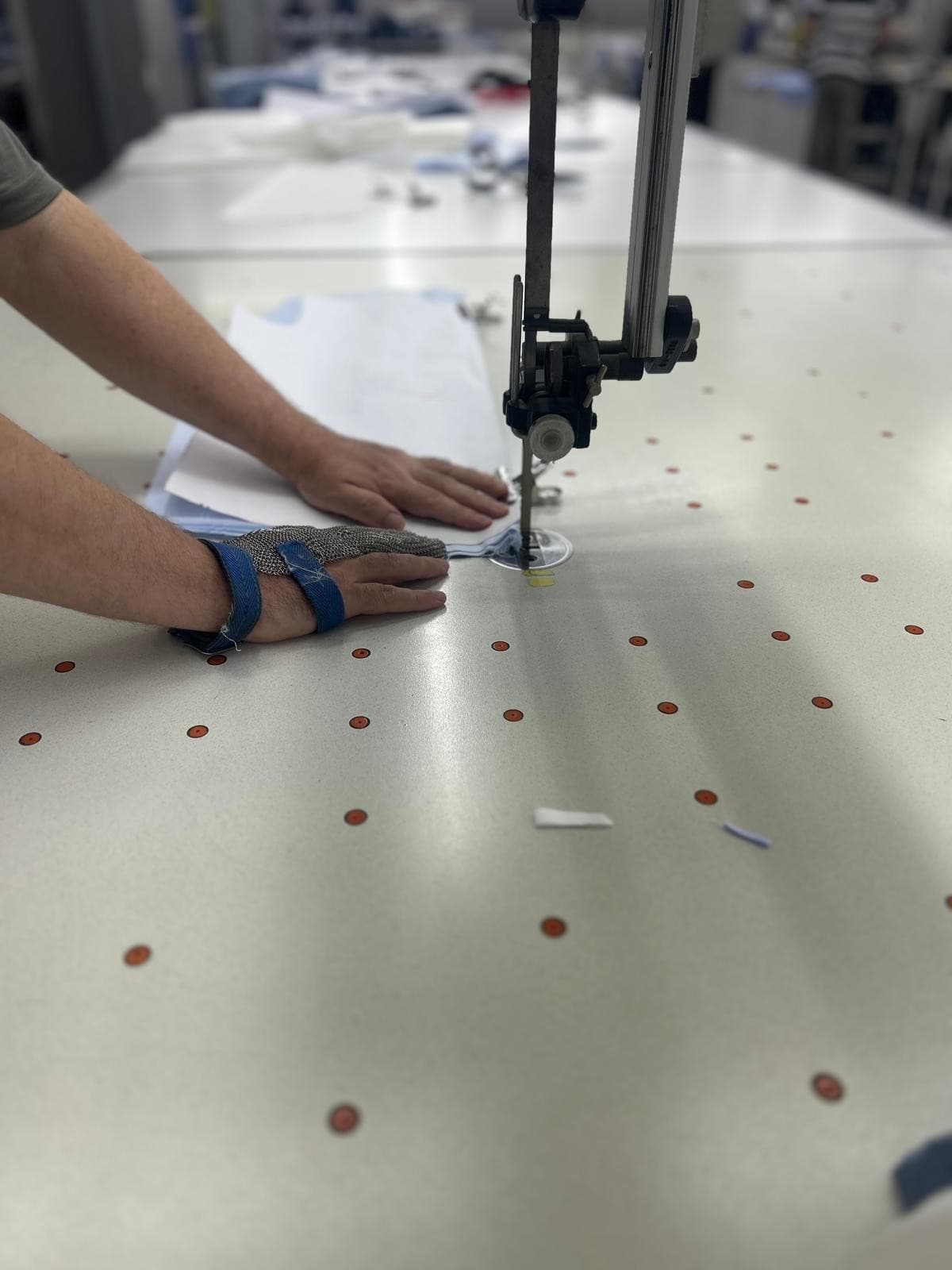
Why is planting order important to me as a buyer?
You don't need to memorize every operation. But knowing when and how to check visible details such as collars, pockets, placket and cuffs will help you repeat the product you approve of.
Examine the mass production approachPlanting consists of interconnected operations
Sewing a shirt is not a single process. Operations such as preparation of parts, interlining applications, collar and cuff production, pocket, shoulder, side seam, sleeve attachment and buttonhole-buttoning combine in a certain flow.
Critical details are defined in the product file
Stitch type, stitch density, edge distance and visible details affect the product character. These points must use the same language as the approved sample and technical information.
- Collar and cuff symmetry
- pocket location
- Seam line and edge distance
- Buttonhole and button placement
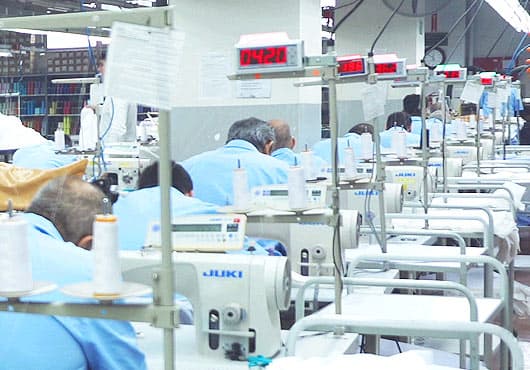
Intermediate checks catch variance early
Differences in size or appearance may be more difficult to detect after the product is completed. Therefore, checks during critical operations help prevent the same variation from being carried over to subsequent products.
The completed product is prepared for the next stage
The shirt whose sewing process is completed; After yarn cleaning, measurement and appearance checks, the product is transferred to washing, ironing or other finishing steps depending on its structure.
Treat the collar and cuff as a separate product
Collar and cuff are multi-piece structures that directly affect the appearance of the shirt. Fabric, interlining, stitching, corner and symmetry decisions should be evaluated together with the usage and maintenance expectations of the product.
- Interlining and fabric compatibility
- Corner and edge view
- symmetry
- Button and buttonhole location
Conduct intermediate measurement and appearance control together
Even if a product is close to the target size, seam balance or piece placement may not produce the expected appearance. Interim controls should address the topics of size, symmetry and workmanship using the same reference.
See the same in the table before deciding.
Product specific process order
Stitching, joining and visible details
Intermediate measurement, symmetry and appearance
Approved sample and production information
How do we approach this issue at Erten?
The sewing process is based on making the critical workmanship points of the product visible in the operation flow and evaluating the differences before they are transferred to the finished product.
Content review area: Mass production and craftsmanship approach. Commercial suitability is also evaluated based on product and order information.Frequently asked questions about this topic
What are the most critical points in shirt sewing?
Critical points vary by model; Collar, cuffs, pockets, sleeve combinations, visible stitches and buttonhole-button placement are frequently evaluated topics.
Is the approved sample used during planting?
Approved sample and production information form common reference for comparing expected appearance and workmanship details.
Let's talk about your product.
Send the sewing details you care about; Let's talk about how to move it to sample and production controls.
It is not necessary to have all the details ready at the initial consultation.