
Fit and wearing comfort
Fabric bulk changes the feel at collars, cuffs and sleeve seams. To achieve a relaxed silhouette, assess shoulders, upper arms and hem length together rather than increasing chest width alone.
Corduroy Shirts
We combine the distinctive texture of corduroy with a balanced fit and simple details. Fine or wide wales help determine the season and whether the shirt has a lighter or more structured appearance.
Request a production quote
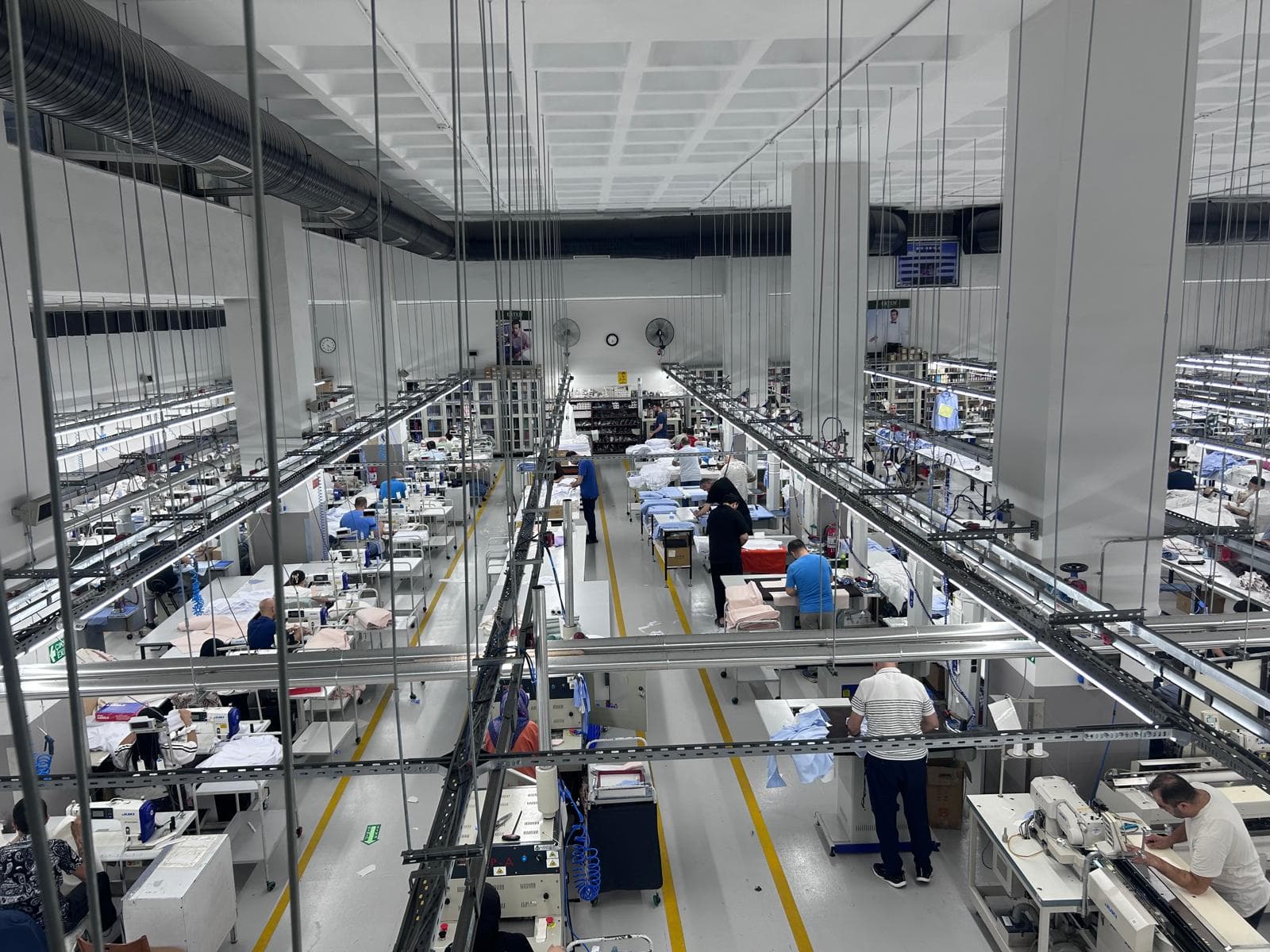
Erten production approach
Style and colour options

Warm colour and fine ribs create a simple casual direction. A single pocket, tonal buttons and restrained topstitching let the texture stand out.
Light changes how the ribs appear on dark fabric. Plan collar and pocket pieces in a consistent direction.

More pronounced ribs and a relaxed fit can suit layering. Balance pocket size and cuff volume against fabric thickness.
Corduroy Shirts
Wale width, fabric weight and pile direction are assessed together. Colour samples are compared under the same lighting and with the pile facing the same way.
Corduroy Shirts
Cutting preserves the pile direction across panels, while pockets and plackets are aligned with the wales. Bulk at collars, cuffs and seam junctions is reviewed on the sample.
Corduroy Shirts
Start with a reference garment, size chart or design file. We review styles, colours and size quantities alongside labels, packaging and the destination country. Sample approval, material availability and a written quotation establish the production scope.
Product development guide
Fabric bulk changes the feel at collars, cuffs and sleeve seams. To achieve a relaxed silhouette, assess shoulders, upper arms and hem length together rather than increasing chest width alone.
Keep pile direction and rib alignment consistent during cutting. Inspect ribs at pocket tops, placket edges and yoke seams, distinguishing light-dependent shading from actual colour variation.
Pressure and pressing marks can affect a corduroy surface. Establish suitable care and final pressing on the sample, then assess whether folding and packing preserve the intended texture.
Preparing for samples and a quote
If your tech pack is not ready, we can start with a well-fitting reference garment, measurements and visual references. Agree fabric, fit and trim approvals before production.
Request a quote for this styleA shirt fit / buying sample takes approximately 3-7 working days, depending on product complexity, materials and complete technical inputs.
A shirt sales sample takes approximately 2-4 weeks; revisions and material sourcing may affect timing.
Shirt production to dispatch readiness takes approximately 3-6 weeks, planned once order scope, approvals and material preparation are complete.
before you decide
Cutting panels in different directions can change their apparent colour and sheen. Cutting direction, pressing and the intended surface finish follow the approved sample.
Their ease and fabric weight may differ. An overshirt also needs consideration of the inner layer, pocket load and fastening structure. An existing pattern can be a starting reference, but approve the new product from its own sample.
Flexible MOQ. Order quantities are assessed by style, fabric, colour and size distribution. Share your approximate quantity so we can review options that suit the materials and production plan.
Brand and care labels, packaging, destination country and delivery requirements are defined for each order. Transport, delivery terms, costs and timing are confirmed in the written quotation.
Start with the product type, approximate quantity and target date so we can plan the sample and production route.
Start a production enquiry