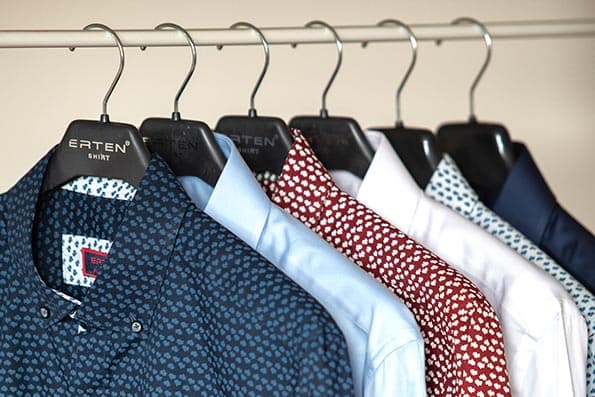
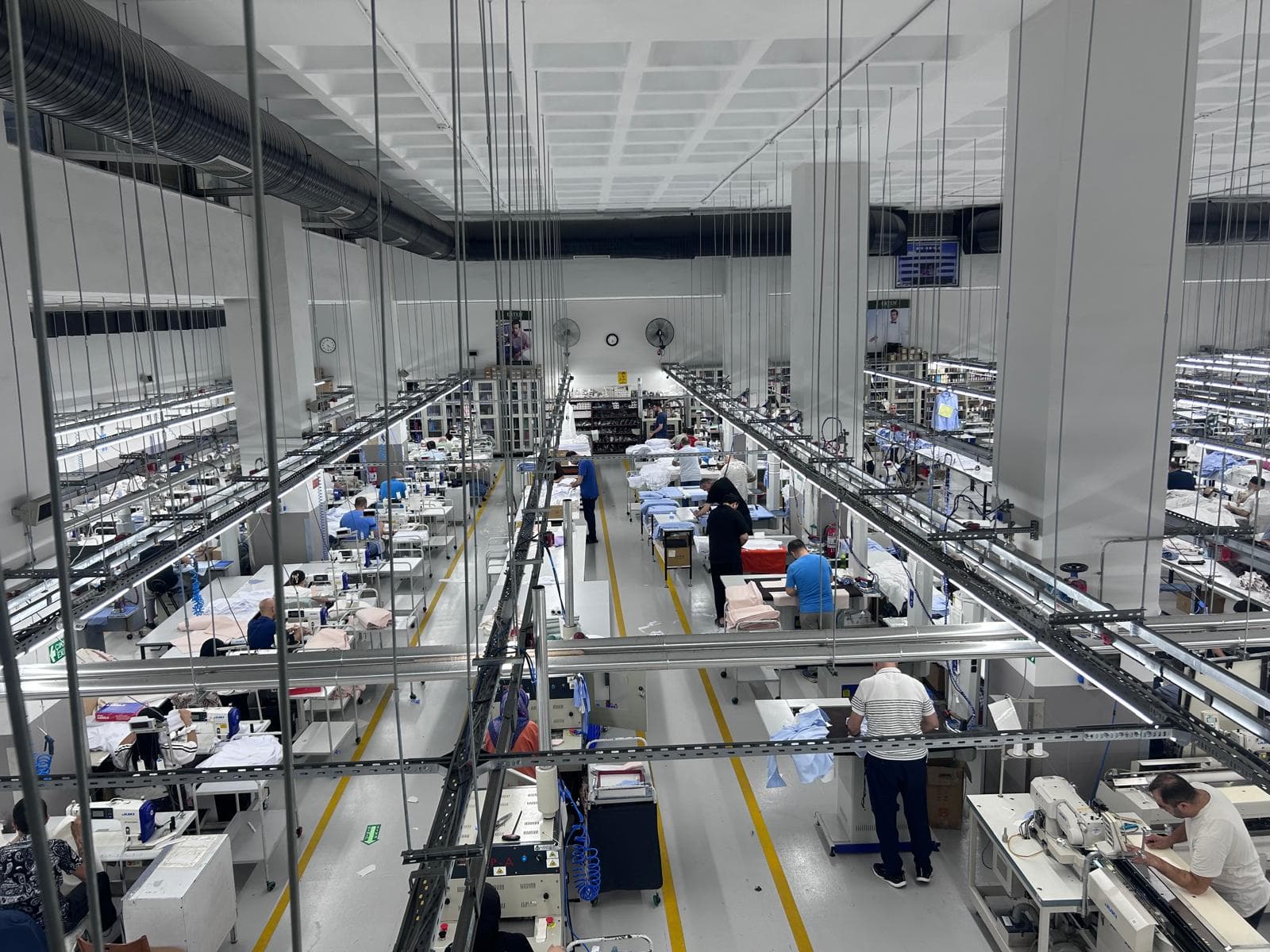
We develop cotton shirts around fabric structure, handle and intended use. Poplin, Oxford and twill offer different directions for business, casual and seasonal collections.
Plan production around your brand, from fabric and fit to sampling and packaging.
Style and colour options
Choose your collection direction.
Fibre content is only the starting point for a cotton-shirt collection. Weave, yarn, weight and finish together determine the feel. The same cotton content can produce a smooth business shirt, textured casual style or oversized garment. Match fabric selection to use and care expectations.
01
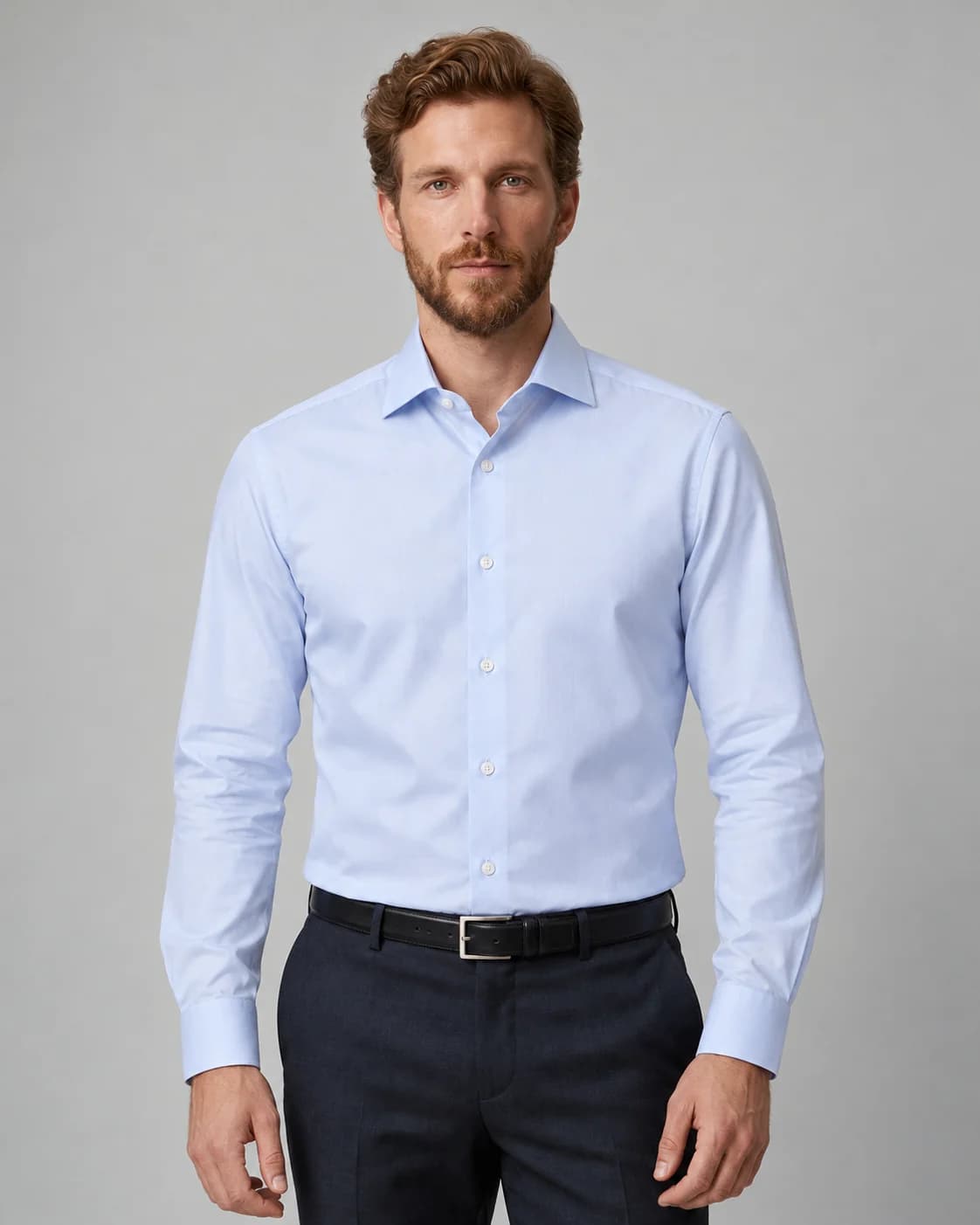
Smooth business style
A simple fabric and balanced fit can suit everyday business wear. Choose collar and cuff support for the intended shape.
02
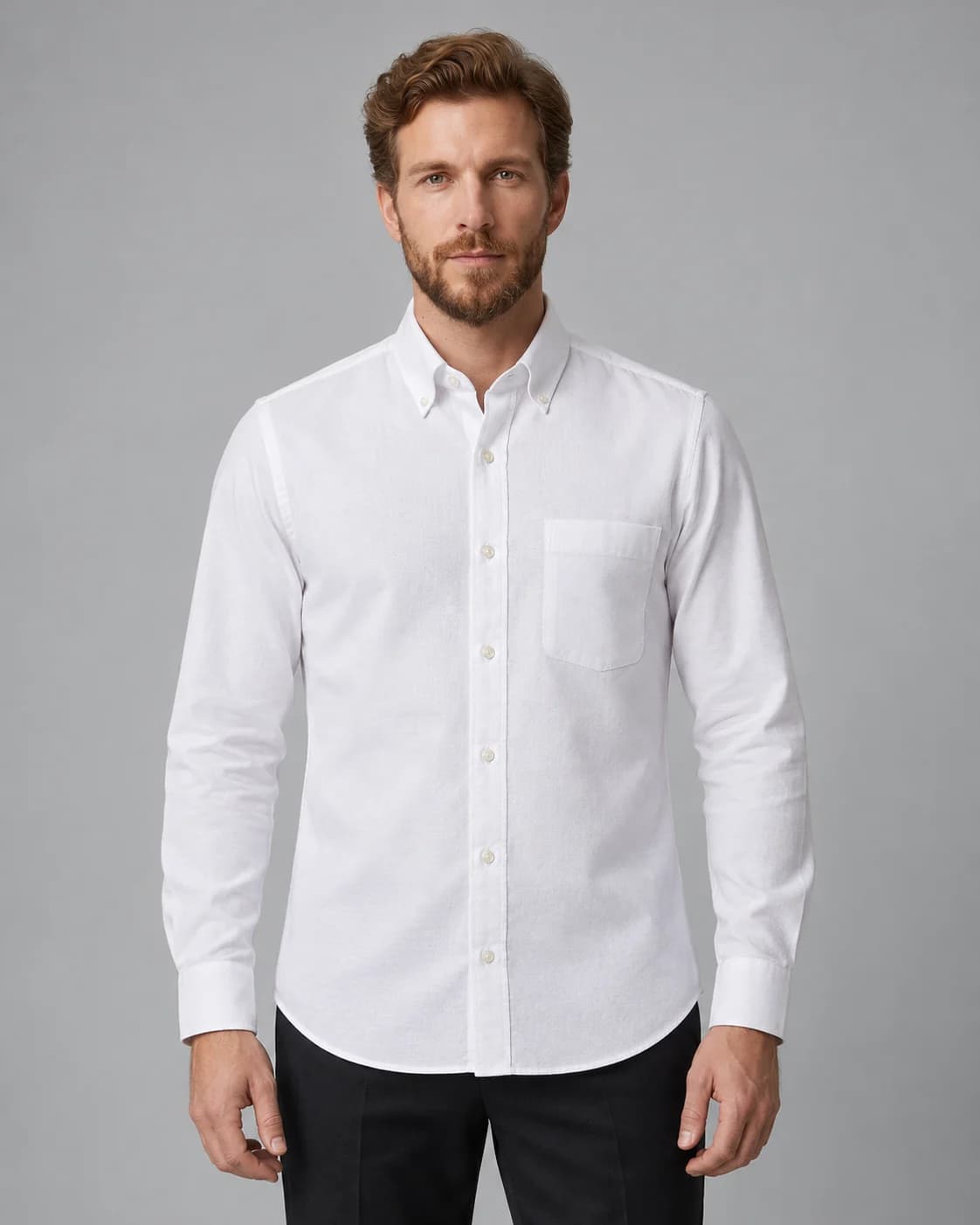
Textured Oxford style
A more visible weave can suit relaxed office and casual collections. Compare weight and softness on physical samples.
03
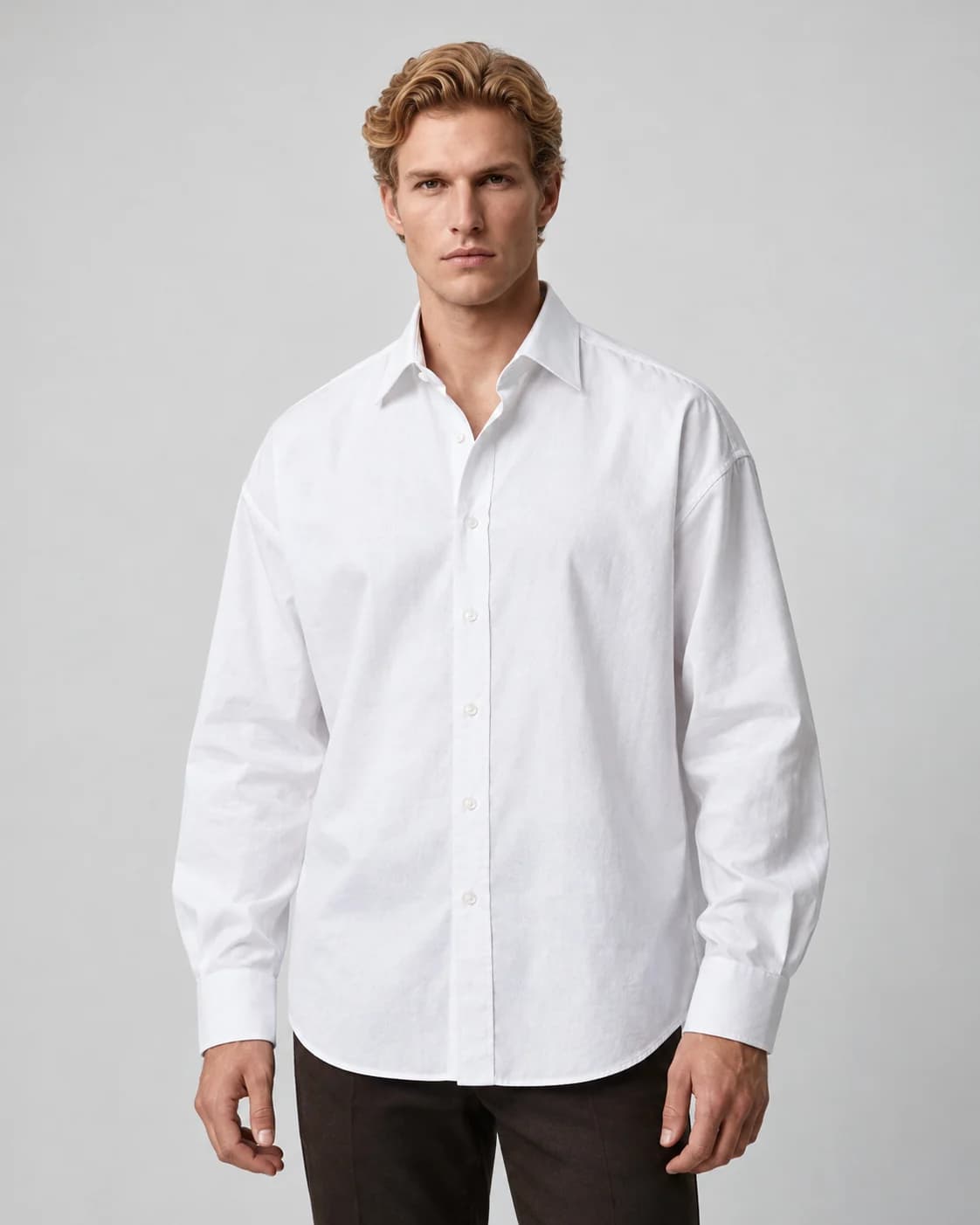
Relaxed white style
Cotton takes on a different silhouette with a wider body and dropped shoulders. Assess drape and structure alongside fit volume.
Cotton Shirts
Fabric and collection direction
Cotton percentage, yarn structure, weight and finishes are assessed together. For organic or certified-material requests, the scope and available records are reviewed at quotation stage.
Cotton Shirts
Style-specific manufacturing details
Fit, collar and cuff choices are matched to the fabric's handle. Dimensional changes and appearance after washing are assessed alongside care instructions and sample approval.
Cotton Shirts
From sample to order
Start with a reference garment, size chart or design file. We review styles, colours and size quantities alongside labels, packaging and the destination country. Sample approval, material availability and a written quotation establish the production scope.
Product development guide
The right sample. Clear decisions.
01
Fit and wearing comfort
Comfort depends on more than garment measurements: the same pattern can sit differently in different cotton fabrics. Assess movement allowance, stretch and dimensions after care together. Specify the measurement method in the approval chart.
02
What to check on the sample
Include fabric handle, seam puckering and dimensional change after care in the sample review. Match fibre claims and marketing wording to supplier information. Specify the scope of any requested certification at the start of the project.
03
Care, finishing and packing
Consider care and ironing expectations alongside weave, colour and finish. Do not assume that all fabrics with the same cotton percentage will shrink or crease in the same way. Assess the sample using the intended care method.
Preparing for samples and a quote
A starting point for your project.
Share your preferences for this style, approximate quantity, colour and size breakdown, target date and delivery country.
Required fibre content and a texture sample
Softness, structure and opacity targets
Care expectations and any documentation requirements
If your tech pack is not ready, we can start with a well-fitting reference garment, measurements and visual references. Agree fabric, fit and trim approvals before production.
What information helps when choosing a cotton fabric?
Share the intended use, handle, season, approximate price level and required fibre percentage. An existing fabric or shirt sample helps clarify the material direction.
Does choosing 100% cotton guarantee the same quality?
Fibre percentage alone does not define quality. Yarn, weave, finish, fit and workmanship all contribute. Compare fabric samples and garments developed for the same use to make a meaningful choice.
How is the minimum order determined?
Flexible MOQ. Order quantities are assessed by style, fabric, colour and size distribution. Share your approximate quantity so we can review options that suit the materials and production plan.
How are branding and international delivery planned?
Brand and care labels, packaging, destination country and delivery requirements are defined for each order. Transport, delivery terms, costs and timing are confirmed in the written quotation.