
Fit and wearing comfort
Small areas of strain and seam waviness can be more visible on eye-catching fabric. For a closer silhouette, assess movement allowance on the sample. Balance collar and cuff proportions against pattern scale.
Fancy Shirts
We combine contrast fabrics, distinctive surfaces and decorative details with your brand's design language. Occasionwear, fashion and everyday uses guide the production decisions for fancy-shirt collections.
Request a production quote
Erten production approach
Style and colour options

A subtle pattern creates a restrained look up close. Select button colour and collar support alongside the pattern contrast.
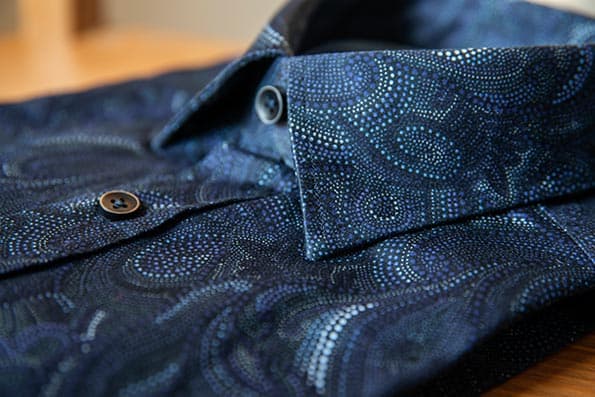
Curved motifs create a more distinctive direction. Assess scale and pocket use as part of the shirt front.
Large motifs and light-dark contrast create a bold seasonal style. A simple fastening and collar can let the print take centre stage.
Fancy Shirts
Jacquards, textures and patterned fabrics are assessed for the intended look. Styles combining fabrics are sampled to check compatibility in care and dimensional change.
Fancy Shirts
Contrast inner collars, cuff details, special buttons, embroidery and decorative stitching are specified in the drawing. Placement and colour balance are recorded in the approved sample.
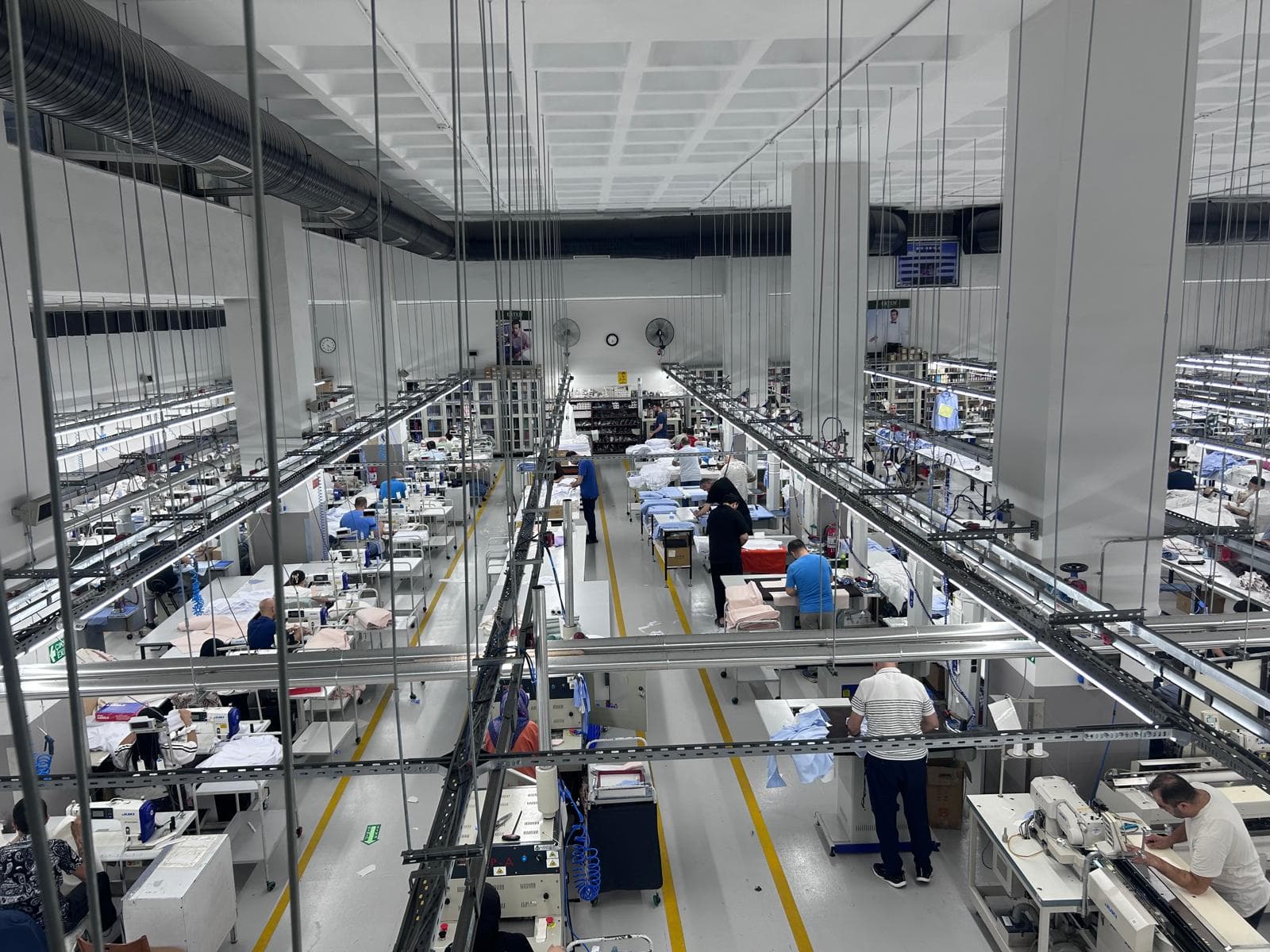
Fancy Shirts
Start with a reference garment, size chart or design file. We review styles, colours and size quantities alongside labels, packaging and the destination country. Sample approval, material availability and a written quotation establish the production scope.
Product development guide
Small areas of strain and seam waviness can be more visible on eye-catching fabric. For a closer silhouette, assess movement allowance on the sample. Balance collar and cuff proportions against pattern scale.
Inspect pattern direction, changes in sheen under different lighting and the colour relationship between contrasting pieces. If combining fabrics, check their dimensional and visual compatibility after care.
Consider any special surface, print or trim care when selecting the fabric. Test sensitivity to packing friction and fold marks on the sample. Compare appearance under different lighting, not only studio conditions.
Preparing for samples and a quote
If your tech pack is not ready, we can start with a well-fitting reference garment, measurements and visual references. Agree fabric, fit and trim approvals before production.
Request a quote for this styleA shirt fit / buying sample takes approximately 3-7 working days, depending on product complexity, materials and complete technical inputs.
A shirt sales sample takes approximately 2-4 weeks; revisions and material sourcing may affect timing.
Shirt production to dispatch readiness takes approximately 3-6 weeks, planned once order scope, approvals and material preparation are complete.
before you decide
Main and contrast fabrics can be used after assessing handle, colour and care compatibility. Panel placement and material codes must be clear in the tech pack.
Yes. Keep collar, placket and pockets understated when the pattern or surface should stand out. Assess drape and contrast on the sample, then choose which details support the product.
Flexible MOQ. Order quantities are assessed by style, fabric, colour and size distribution. Share your approximate quantity so we can review options that suit the materials and production plan.
Brand and care labels, packaging, destination country and delivery requirements are defined for each order. Transport, delivery terms, costs and timing are confirmed in the written quotation.
Start with the product type, approximate quantity and target date so we can plan the sample and production route.
Start a production enquiry